Blocked drain after heavy rain in Belfast: is it your pipes or the sewer?
Got a blocked drain in Belfast? We explain the common causes, what you can do first, and when to call us out, day or night.

Blocked Drains in Belfast: More Common Than You Think
A blocked drain rarely announces itself politely. One morning the kitchen sink is slow. By evening it is not draining at all. Then the smell starts. Belfast homes, particularly the older terraces and semis across areas like East Belfast, South Belfast and North Belfast, are prone to drainage problems for reasons that are very much tied to the housing stock and the local climate.
We deal with blocked drains across Belfast and the surrounding areas regularly. This article explains what causes them, what you can do before we arrive, who is responsible for what, and when it is time to pick up the phone.
Why Belfast Homes Get Blocked Drains So Often
Older properties are the biggest factor. Much of Belfast's housing stock dates from the Victorian era or the early-to-mid twentieth century. The drainage systems in those houses were built for a different era, with narrower pipework, older materials and layouts that were never designed for modern dishwashers, waste disposal units or the sheer volume of water a busy household puts through the system today.
Add to that the Northern Irish weather. Autumn and winter here bring heavy, sustained rainfall. Leaves, silt and debris wash into gullies and external drains faster than you might expect. A drain that copes fine in July can back up completely by October.
The other factor is grease and fat. Kitchen drains in particular suffer from the gradual build-up of cooking fat, soap scum and food particles. It does not happen overnight. It builds up over months until one day the water simply stops moving.
Kitchen Drain Blocked vs Sewer Backup: Know the Difference
This matters because the fix is different, and so is who is responsible.
A kitchen or bathroom blockage is usually contained to one fixture or one branch of your internal pipework. The toilet flushes fine, but the sink will not drain. Or the bath is slow, but nothing else is affected. This is almost always a blockage in your own pipework, and it is your responsibility to sort.
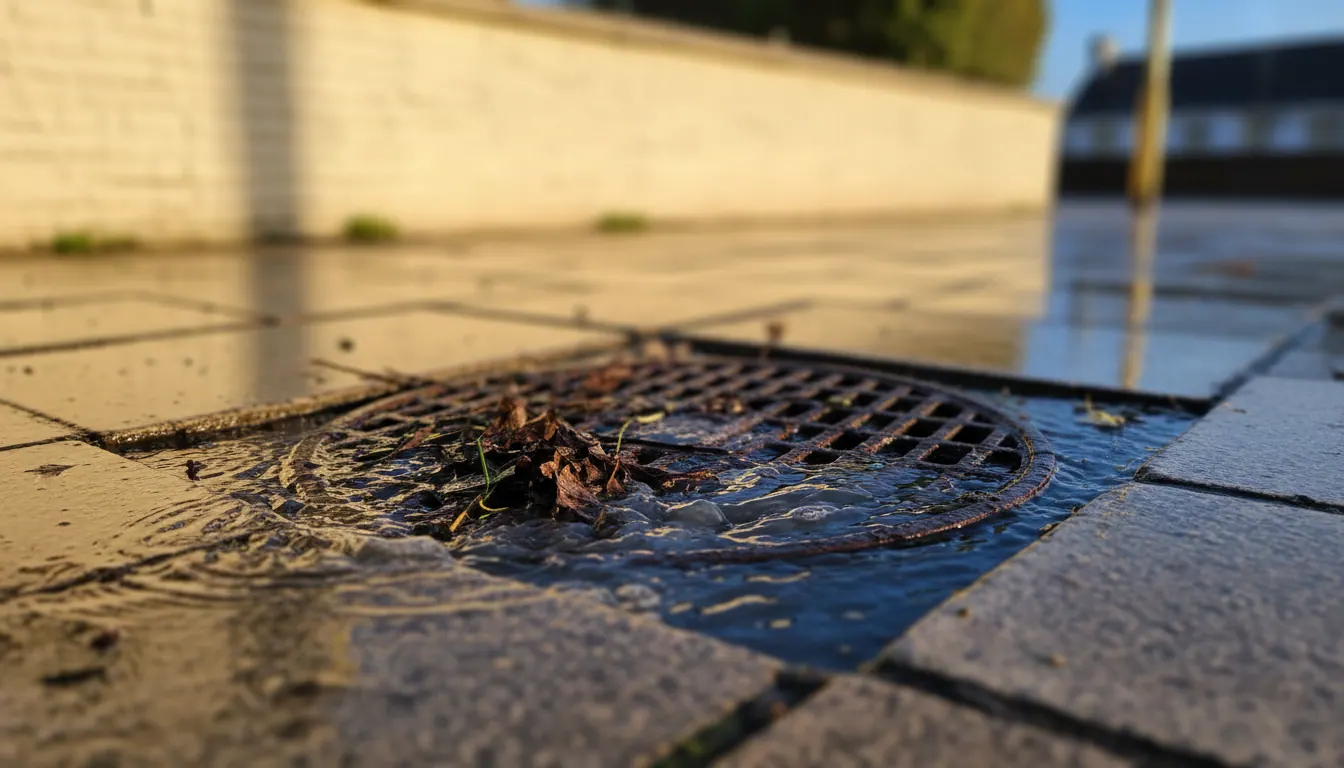
A sewer backup is a different situation. If multiple fixtures are backing up at the same time, if you have foul water coming up through a ground-floor drain or toilet, or if you can see the manhole cover in your garden lifting under pressure, the blockage may be in the shared sewer that serves your street. That is NI Water's responsibility, not yours.
If you suspect a shared sewer issue, you can report it directly to NI Water. They have a faults line and will investigate blockages in the public sewer network. What they will not sort is the pipework inside your property boundary. That is where we come in.
What You Can Do Before the Plumber Arrives
There are a few things worth trying yourself, and a couple of things to avoid.
Try these first:
- Pour boiling water down a kitchen drain in stages. Sometimes grease and soap build-up will shift with heat alone.
- Use a plunger on a blocked sink or bath. Cover the overflow with a damp cloth first to create proper suction.
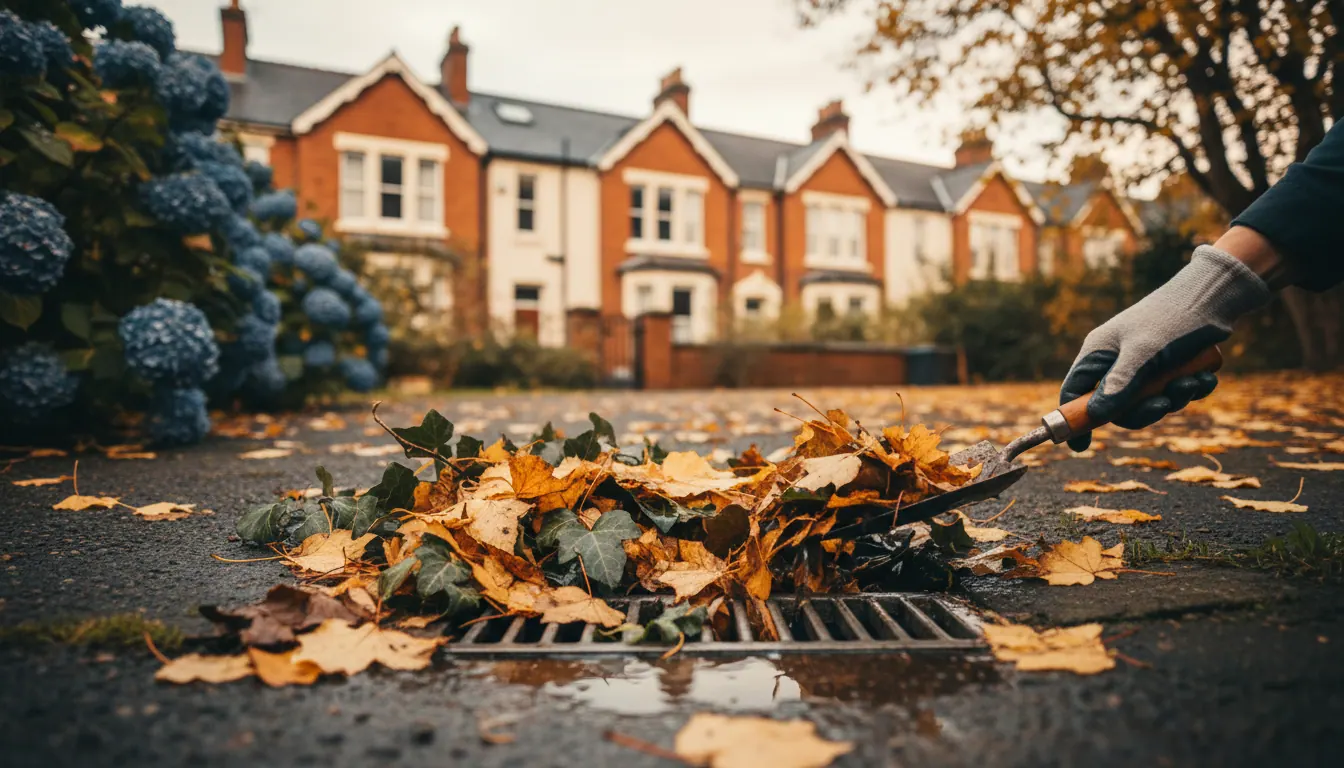
- Check the external gully drain at the back or side of your house. Leaves and debris collect there quickly in autumn. Clear it out by hand if you can reach it safely.
- If you have a U-bend under the sink, put a bucket underneath and unscrew it. The blockage is often sitting right there.
Avoid these:
- Do not pour chemical drain unblockers down the drain repeatedly. They can damage older pipework and rarely shift a solid blockage. They also make the job harder for us when we arrive.
- Do not ignore a slow drain. A partial blockage that is left alone almost always becomes a full blockage. Catching it early is much easier and less disruptive.
What We Do When We Arrive
We carry the equipment needed to deal with most domestic drainage blockages on the first visit. For a straightforward kitchen or bathroom blockage, we will locate the problem, clear it and check the flow is fully restored before we leave.
For more stubborn blockages, we use drain rods or a high-pressure water jetter to break up and flush the obstruction. This is particularly effective for external drains and underground pipework where a plunger simply cannot reach.
If there is any doubt about what is causing the blockage or whether there is damage to the pipework, we can carry out a CCTV drain survey. This puts a small camera through the drain so we can see exactly what is going on. It is the right call for recurring blockages, older clay pipework or any situation where we want to be sure before we start digging.
Blocked Drains After Heavy Rain: What Changes
Belfast gets a lot of rain. After a prolonged downpour, external gullies, yard drains and soakaways can overwhelm quickly. If you notice water pooling in your back yard or garden after heavy rain, that is often a blocked or partially blocked surface water drain rather than a foul water issue.
Surface water drains carry rainwater away. They are separate from the drains that carry waste from your toilet, sink and bath. A blocked surface water drain will not cause sewage to back up, but it will cause flooding in your yard or garden, and over time it can cause damp problems at the base of your walls.
After the first cold snap of autumn or winter, we also get calls about drains that have frozen. External waste pipes, particularly on older properties where they run along an exposed outside wall, can freeze solid in a hard frost. If this happens, do not pour boiling water directly onto the pipe. Warm water is safer and less likely to crack older pipework.
Landlords and Letting Agents: Your Responsibilities
If you are a landlord with a tenant in Belfast reporting a blocked drain, the responsibility usually falls to you unless the blockage has been caused by the tenant's misuse (wet wipes, excessive fat disposal, and so on). Most tenancy agreements set this out, but the practical reality is that a blocked drain left unattended leads to bigger problems fast.
We work with landlords and letting agents across Belfast and the surrounding areas. If a tenant calls us directly in an emergency, we will deal with the problem and give you a full report of what we found and what we did.
Frequently Asked Questions
What should I do if I have a blocked drain in Northern Ireland?
First, work out whether the blockage is in your own pipework or in the shared sewer. If it is just one fixture (a sink, a bath, a toilet) that is not draining, start with the steps above: plunger, boiling water, checking the U-bend. If multiple fixtures are backing up at the same time, or if you can see water coming up from a drain outside, contact NI Water to report a possible shared sewer fault. If the problem is inside your property boundary, get in touch with us and we will come out and sort it.
How can I get my drain unblocked in Belfast?
Call a local plumber who deals with drainage. We cover Belfast and the surrounding areas and can attend for both standard call-outs and emergencies. For external drain issues or recurring blockages, it is worth having a proper inspection rather than just a quick clear, so the underlying cause gets dealt with.
Is a blocked drain my responsibility or NI Water's?
The dividing line is your property boundary. Pipework inside your boundary, including the drains under your garden up to the point where they connect to the public sewer, is your responsibility. The shared sewer in the street belongs to NI Water. If you are unsure where the fault is, we can help identify it. NI Water's website also has guidance on reporting drainage faults on the public network.
Can a blocked drain cause damp or structural damage?
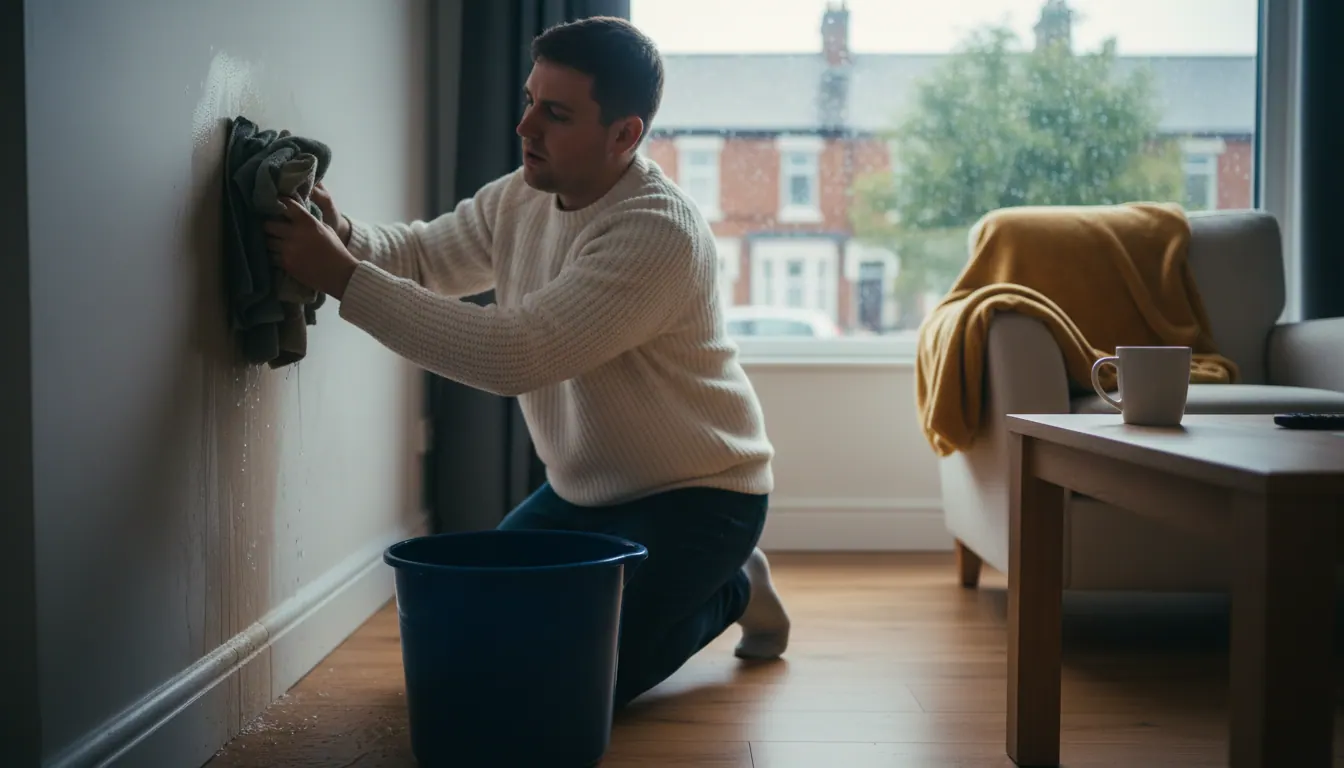
Yes, and this is why it is worth dealing with promptly. A blocked or overflowing drain that sits against a wall, particularly in older Belfast properties with solid brick construction, can cause persistent damp over time. Underground blockages that cause water to back up can also erode ground around foundations. A slow drain is rarely just a nuisance.
When to Call Us Out as an Emergency
Most blocked drains are an inconvenience rather than an emergency. But some situations need immediate attention:
- Sewage backing up into the property
- A blocked drain causing flooding inside the house
- Foul water coming up through a ground-floor drain or toilet
- A blocked drain combined with a leak or water ingress
We are available for emergency call-outs across Belfast and the surrounding areas. A pipe does not wait for office hours, and neither do we.
If you have a blocked drain in Belfast or the surrounding areas and want it sorted properly, get in touch with us and we will talk you through what needs doing.