Cold spots on your Belfast radiators: bleeding, power flushing, or a plumbing fault?
Thinking about radiator replacement in Belfast? We explain when to replace, what's involved, and how our local plumbers get the job done properly.

Cold rooms and clunking pipes: the signs your radiator needs replacing
A radiator that takes an age to warm up, has cold patches at the bottom, or makes a persistent banging noise is telling you something. It might just need bleeding. But if you have bled it, had it flushed, and the problem keeps coming back, replacement is usually the right call.
Belfast homes throw up a particular set of challenges here. Older terraced and semi-detached properties across areas like the Holylands, east Belfast and north Belfast were often built with cast iron radiators or early steel panels that have been on the go for decades. These can corrode from the inside out, especially in systems that have not been treated with inhibitor. The sludge builds up, flow drops off, and eventually the radiator just stops doing its job properly.
Newer panel radiators are more efficient at transferring heat into the room. Replacing an old, corroded unit with a properly sized modern panel can make a noticeable difference to how quickly a room warms up, and to how hard the rest of the system has to work.
Is it worth replacing 20-year-old radiators?
Honestly, it depends on their condition rather than just their age. Some older steel panel radiators are still performing fine at 25 years. Others are visibly rusting, leaking at the valve connections, or so clogged with magnetite sludge that no amount of flushing will sort them.
The practical test is simple:
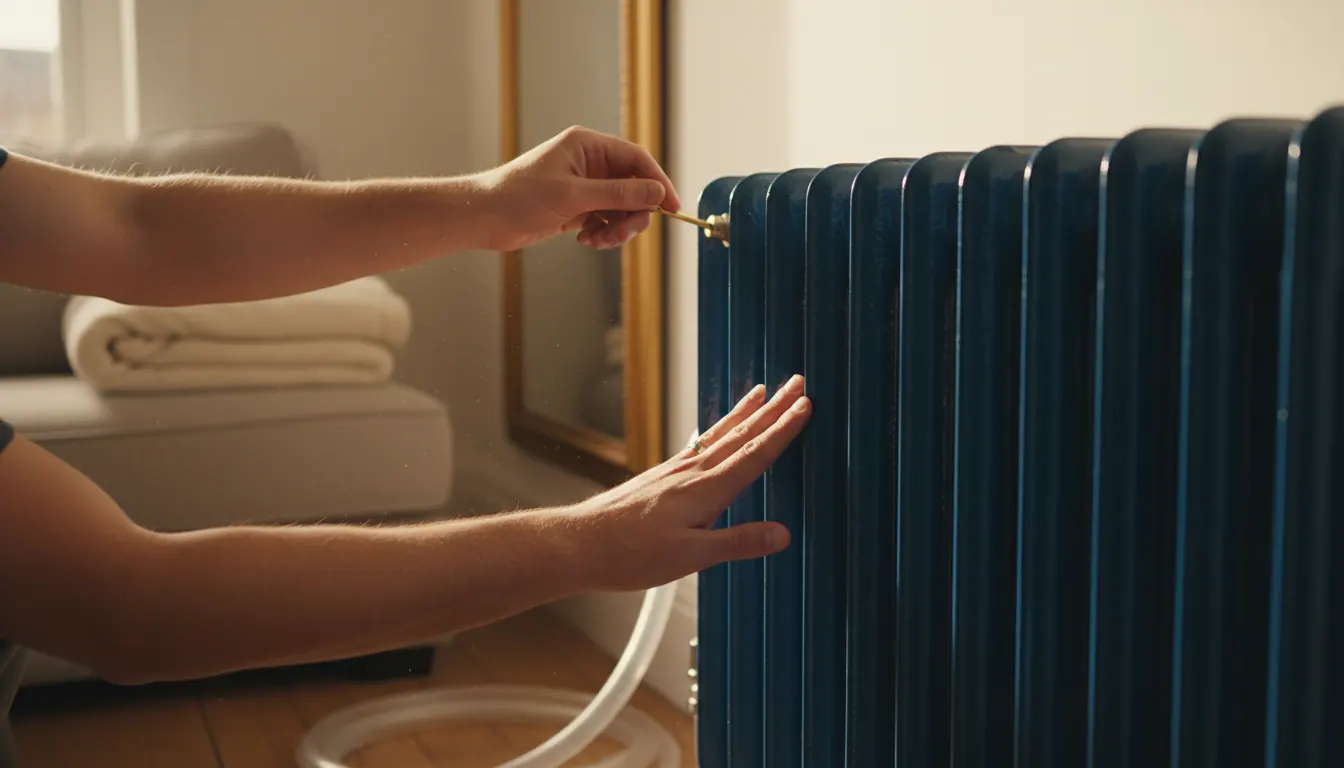
- Run the system up to temperature and check every radiator by hand. Top warm, bottom cold usually means sludge.
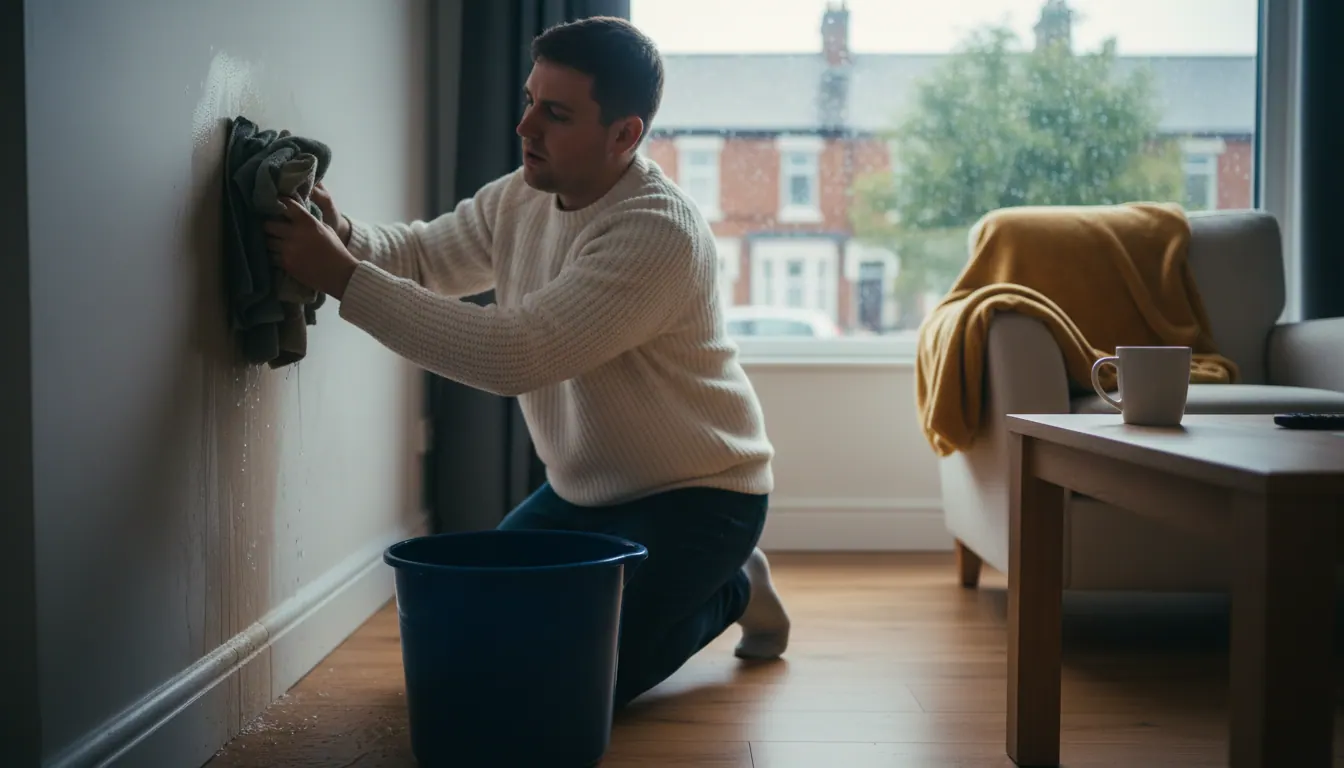
- Look at the back of the radiator and behind it on the wall. Any brown staining or damp patches suggest a slow weep from a corroded panel.
- Check the valves. Older thermostatic radiator valves (TRVs) can seize completely, leaving you with no way to control the heat in a room.
If a radiator is leaking, heavily corroded or beyond bleeding and flushing, replacement makes more sense than repeated call-outs. If it is just a stuck valve, that is a much smaller job.
One thing worth saying plainly: radiator replacement is a plumbing job on the wet side of your heating system. It does not involve the boiler or the gas supply. If you are also having boiler issues, that work must go to a Gas Safe registered engineer. We handle the pipework and the radiators; gas appliances are a separate trade.
Do you need a plumber to fit a new radiator?
For a straight swap (same position, same pipe centres, same size), some people do attempt it themselves. The reality is that draining down a heating system, disconnecting the old radiator, making good the connections and refilling without introducing air locks takes a bit of practice. Get it wrong and you end up with a leak behind the new unit or an airlock that leaves half the system cold.
If you are moving a radiator to a different wall, adding one to a room that has never had one, or fitting a larger replacement that needs the pipework extending, that is definitely a job for a plumber. The pipework needs to be run correctly, the flow and return balanced, and the system refilled and bled properly.
We do all of this. Straight swaps, new positions, additional radiators in extensions or conversions. We also fit vertical radiators, which have become popular in Belfast bathrooms and narrow hallways where floor space is tight.
Choosing your radiator: a few practical points for Belfast homes
We do not supply radiators as standard. Most customers source their own and we fit them. That gives you full control over the style and size, and it means you are buying direct from a supplier at trade or retail price rather than through us.
There are several good options for sourcing radiators in Northern Ireland. Local plumbing merchants and bathroom showrooms stock a range, and there are specialist radiator retailers who can advise on sizing. For budget panel radiators, national builders' merchants and trade counters are worth checking. If you are after something more decorative, such as a column radiator or a cast iron-style reproduction, there are dedicated radiator suppliers who will help you match the output (measured in BTUs or watts) to your room size.
The key measurement to get right is the heat output. A radiator that looks the part but is undersized for the room will never get it warm. Before you buy, measure the room and use an online BTU calculator, or ask us and we can advise on what output you need for the space.
One thing to watch: if you are fitting a larger or more powerful radiator than the one being replaced, the existing pipework and valve sizes may need to match. We will check this when we assess the job.
What the replacement process actually involves
A straightforward radiator swap in a Belfast home typically goes like this:
- We drain down the relevant part of the system (sometimes just the circuit, sometimes the whole system depending on the setup).
- The old radiator comes off the wall. Valves are inspected and replaced if needed.
- The new radiator goes on the brackets, connections are made to the flow and return pipes.
- The system is refilled, the inhibitor level is checked and topped up, and the new radiator is bled to clear any air.
- We run the system up to temperature and check for leaks at every connection before we leave.
It is not a rushed job. Cutting corners on the refill or skipping the inhibitor top-up is how systems end up with corrosion problems further down the line.
If you are replacing multiple radiators at once, say during a renovation or because you are updating an entire floor, we can work through them in sequence and do a single drain-down and refill. That is more efficient than doing them one at a time.
For anyone doing a bathroom renovation and thinking about a heated towel rail, that falls into the same category. It connects to the heating pipework the same way a radiator does, and we fit those too. If you are planning a full bathroom update, it is worth reading about bathroom installations and what is involved so you can coordinate the trades properly.
Radiators and Belfast's older housing stock
A lot of the housing stock across Belfast, from the Victorian terraces in the south of the city to the post-war semis on the outskirts, was not built with central heating in mind. Systems were added later, often in the 1970s and 1980s, and the radiators fitted then are now approaching 40 or 50 years old in some cases.
These older systems often have 15mm or even 10mm pipework running to the radiators, which restricts flow compared to modern 22mm or 28mm central circuits. If you are upgrading to a larger radiator, it is worth us having a look at the pipe sizes feeding it, because undersized pipework can limit how effective the new unit is.
Older systems are also more likely to have accumulated sludge and scale. If the water coming out of the old radiator is black or dark brown, a power flush of the system before fitting new radiators is worth considering. A power flush is not something we carry out, but we can advise you on finding a specialist if the system needs it before we do the radiator work.
Frequently asked questions
How much does it cost to replace a radiator in Belfast?
We do not quote prices in articles because the cost genuinely varies with the job. A straight swap on an accessible radiator is a different amount of work to moving one across a room or adding one to a new extension. The size of the radiator, the condition of the existing pipework and valves, and whether the system needs draining fully or partially all affect the time involved. Get in touch and tell us what you need; we will give you a straight answer.
Do I need a plumber to fit a new radiator?
For anything beyond a like-for-like swap in the same position, yes. Moving pipework, adding new radiators, or connecting to a system you are not familiar with carries a real risk of leaks or airlocks if it is not done properly. Even a straight swap is worth having done right to avoid a leak behind the new unit.
Is it worth replacing 20-year-old radiators?
Age alone is not the deciding factor. If they are heating evenly, not leaking and the valves work, they may be fine. If they have cold spots that bleeding does not fix, visible corrosion or slow weeping at the connections, replacement is the sensible move. We can take a look and give you an honest assessment.
What style of radiators work well in Belfast homes?
Standard double-panel convectors are the most practical choice for most rooms. Vertical radiators suit narrow hallways and bathrooms where wall space is limited. Column-style radiators work well in older properties where you want something that fits the character of the house. Whatever style you choose, match the BTU output to the room size before you buy.
If your radiators are letting you down this winter, or you are planning a renovation and need the heating pipework sorted as part of it, get in touch with us and we will talk you through what is involved.