Toilet not flushing properly in Belfast? Common causes and quick fixes before you call a plumber
Toilet not flushing in Belfast? We explain the common causes, what you can check yourself, and when to call a plumber. Practical help, no fuss.

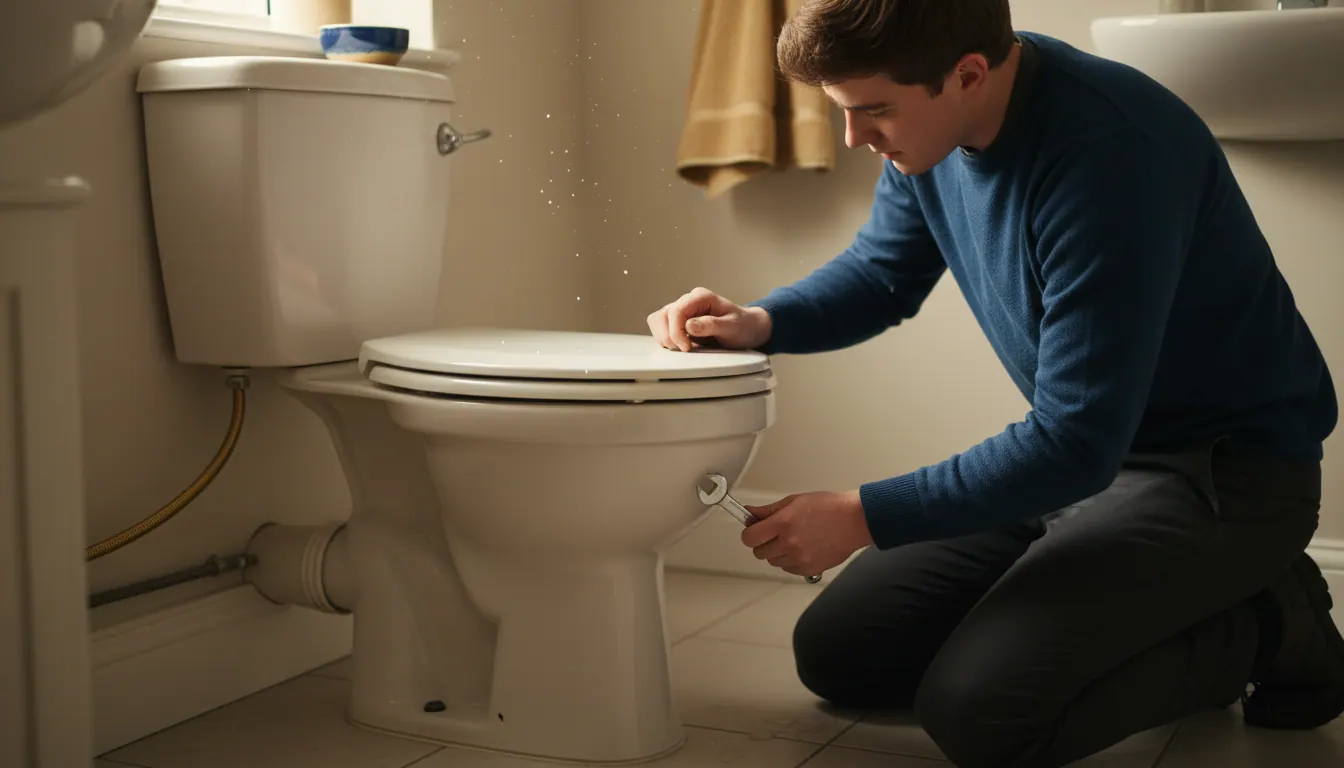
When the flush does nothing, it is rarely a mystery
A toilet that will not flush is one of those problems that feels urgent the moment it happens. Sometimes the handle goes down and nothing moves. Sometimes the water trickles away without any real force. And sometimes the bowl fills back up instead of clearing. Each of those tells a slightly different story, and once you know what to look for, most of them are straightforward to diagnose.
This guide walks through the most common reasons a toilet stops flushing properly in Belfast homes, what you can check yourself without touching anything complicated, and when it makes sense to call us in.
The most common reasons a toilet stops flushing
1. The flush valve or syphon has failed
Most older Belfast homes have a syphon-style cistern. It is the mechanism inside the cistern that lifts when you press the handle, drawing water through and down into the bowl. Over time the rubber diaphragm inside the syphon perishes. When that happens, pressing the handle feels mushy or the flush is weak and incomplete.
If you lift the cistern lid and press the handle, you should see the mechanism rise and water move. If nothing happens, or the mechanism moves but the water just sits there, a worn syphon is the likely culprit.
Dual flush cisterns (common in bathrooms installed or refitted in the last fifteen to twenty years) work differently. They use a drop valve rather than a syphon. The two buttons on top push a valve down rather than lifting a syphon up. The rubber seal on that valve is what wears out. A slow trickle of water running into the bowl after a flush, or a flush that barely moves anything, often points to a failed drop valve seal.
2. The float valve is not letting the cistern refill
After a flush, the cistern needs to refill before it can flush again. The float valve (sometimes called a ballcock) controls that. It sits on the side of the cistern and opens as the water level drops, then closes when the cistern is full.
If your toilet flushes once and then will not flush again for a long time, or if you can hear water running but the cistern never seems full, the float valve may be stuck, worn or set at the wrong height.
You can check this by lifting the cistern lid. The water level should sit roughly an inch below the top of the overflow pipe. If it is very low, or if the water is running constantly without filling up, the float valve needs attention.
This is also why your toilet bowl might not be filling with water after a flush. If the cistern is not refilling properly, there is simply no water available for the next flush.
3. A partial blockage in the pan or trap
Sometimes the flush mechanism works perfectly but the water does not go anywhere useful. The bowl fills up, drains slowly, or backs up. That points to a blockage in the pan itself, in the S-trap directly below it, or further down the soil stack.
In Belfast terraces especially, older cast iron soil pipes can accumulate scale and debris over decades. A partial blockage might let liquids through but catch anything solid. If you have noticed the flush getting weaker over weeks rather than suddenly failing, a build-up in the trap or pipework is worth considering.
A toilet plunger is worth trying first. Place it firmly over the outlet hole at the bottom of the bowl, make sure there is enough water to cover the cup, and work it with steady pressure rather than a frantic jab. This can dislodge a partial blockage without needing any tools.
Do not use chemical drain cleaners in a toilet. They can damage the ceramic, the seals and the pipework, and they rarely shift a solid blockage anyway.
If plunging does not clear it, or if the same toilet keeps blocking, that is a sign the problem is further down the line. We cover what happens when blocked drains go beyond the toilet itself in our piece on blocked drain after heavy rain in Belfast: is it your pipes or the sewer?
4. The handle, lever or push button is broken
This one is easy to miss. Sometimes the flush mechanism inside the cistern is perfectly fine, but the connection between the handle and the mechanism has snapped or come loose. You press the button and it goes down, but nothing lifts inside.
Lift the cistern lid and check whether the handle is still attached to the lift arm or the button still connects to the valve. A snapped plastic arm or a broken link chain is a quick fix.
5. Low water pressure to the cistern
NI Water supplies most of Belfast and the surrounding areas, and pressure is generally consistent. But if your home has a gravity-fed system with a cold water storage tank in the loft, low pressure to the cistern can cause a weak or incomplete flush. This is more common in older terraces and semis across areas like east and north Belfast that have not been fully replumbed.
If you notice weak flushes throughout the house alongside low pressure at taps, it is worth looking at the cold water system as a whole rather than just the toilet.
What you can safely check before calling a plumber
You do not need any tools for most of this. Lift the cistern lid and have a look. It is not complicated inside.
- Check the water level. It should be near the top of the cistern, below the overflow.
- Press the flush handle and watch what moves. Does the syphon or valve lift? Does water flow?
- Listen after flushing. Does the cistern refill within a minute or two, or does it run and run?
- Look at the flush button or handle. Is it still physically connected to the mechanism?
- Check the floor and base of the toilet. Any water pooling there suggests a different problem entirely, possibly a failed seal at the base.
If the cistern is bone dry and the flush handle does nothing, check whether the isolation valve on the water supply to the toilet has been turned off accidentally. It is usually a small slotted screw on the pipe coming out of the wall or floor near the cistern. A flat-head screwdriver turned so the slot runs across the pipe means it is closed.
When to call us
Most toilet faults are not emergencies in themselves, but a toilet that is completely out of action in a one-bathroom house is not something to leave for a week. We cover Belfast and the surrounding areas and we turn up when we say we will.
If the toilet is overflowing or water is coming through a ceiling below, that is a different situation entirely. Turn off the water supply to the toilet using the isolation valve, or if you cannot find that, use the main stopcock. Our guide on finding your stopcock: a Belfast homeowner's guide to shutting off the water fast is worth reading before you need it.
We deal with syphon replacements, drop valve repairs, float valve faults, blockages and full toilet replacements. If the toilet is old and has been causing repeated problems, sometimes a straightforward replacement is the most sensible option.
Frequently asked questions
My toilet is not flushing at all. What should I check first?
Start with the cistern. Lift the lid and check whether there is water in it. If the cistern is empty, the float valve may have failed or the water supply may be turned off. If there is water but the flush does nothing, the syphon or drop valve is the most likely fault. Check that the handle is still physically connected to the mechanism inside.
Why does my toilet flush but then not fill back up with water?
This usually means the float valve is not working properly. After a flush, the float valve should open and allow water back into the cistern. If it is stuck, worn or set at the wrong height, the cistern will not refill (or will refill very slowly). You may hear a faint trickle of water that never seems to finish. A plumber can replace or adjust the float valve quickly.
Why does my dual flush toilet barely flush in Belfast?
Dual flush toilets use a drop valve with a rubber seal. Over time that seal wears out and the flush loses force. You might also notice water constantly trickling into the bowl, which is the seal failing to hold the valve closed properly. It is a common fault in bathrooms that are ten or more years old. The fix is a new drop valve or seal, which is a straightforward job.
Can I unblock a toilet myself or do I need a plumber?
A toilet plunger is the right first step for a straightforward blockage. Use one with a flange (the extended rubber collar) rather than a flat cup, and work it steadily. If that does not clear it, or if the toilet keeps blocking repeatedly, the problem is likely further down the soil pipe and needs a plumber to investigate properly. Do not use chemical unblockers in a toilet.
If your toilet is not flushing and you have worked through the checks above without luck, get in touch with us. We cover Belfast and the surrounding areas, including evenings and weekends when the problem cannot wait. Get in touch and we will sort it.